LLM Systems + Agents
Production language systems that route, reason, adapt, and stay observable under real-world constraints.
Intent classification · Model operations · Agent orchestrationPh.D. researcher and engineer working across large language models, conversational AI, vision-language evaluation, computer vision, and scalable GPU infrastructure.
I build AI systems that must work beyond the demo—systems that can be measured, understood, and trusted when the inputs get messy.
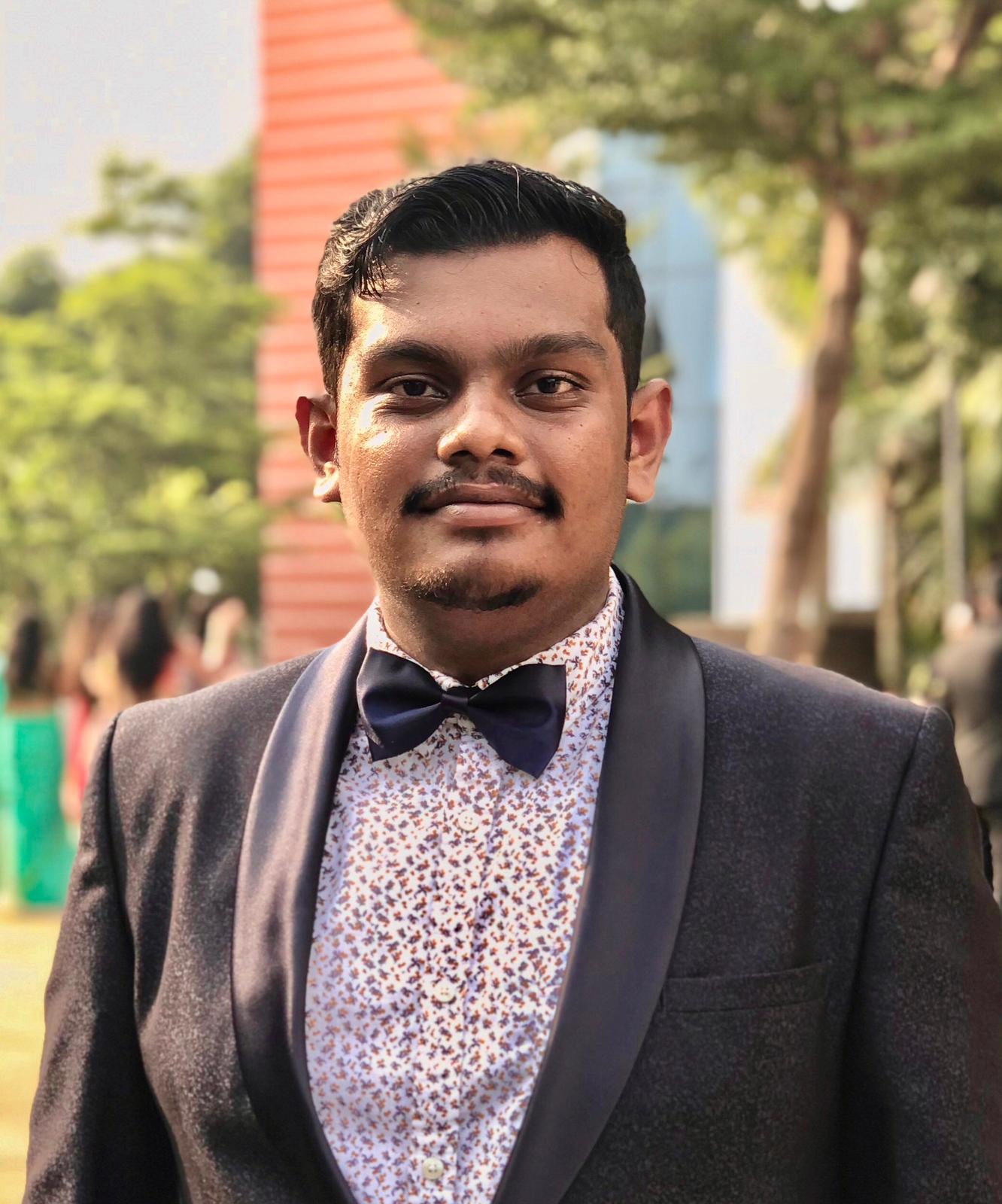
I’m Abbaas Alif Mohamed Nishar, an Applied Scientist at Capital One and a Computer Science Ph.D. from Georgia State University. My path spans enterprise language systems, video-language evaluation, event-based vision, optical communication, and GPU-accelerated ML platforms.
I’m most interested in the space between a promising model and a dependable system: evaluation, failure analysis, adaptation, infrastructure, and the evidence needed to know what actually works.
My work connects model capability with evidence: how systems reason, where they fail, and what it takes to make them useful at scale.
Production language systems that route, reason, adapt, and stay observable under real-world constraints.
Intent classification · Model operations · Agent orchestrationVision-language evaluation and computer vision for systems that must understand more than text.
Video-language models · Event cameras · VLM stress testingAdversarial evaluation and interpretability methods that turn model behavior into evidence.
Red-teaming · Failure taxonomies · ReliabilityGPU-aware platforms and research tooling that move models from experiments into dependable workflows.
Distributed training · Model hubs · MLOpsSelected AI systems and research, presented through the problem, technical approach, and measurable outcome.
ProblemRoute complex, ambiguous customer requests reliably across 300+ intents.
BuiltQLoRA fine-tuning with retrieval-constrained decoding, multi-turn context, and calibrated evaluation.
ResultImproved long-tail intent accuracy by approximately 12 percentage points without increasing model size.
ProblemMake model discovery, deployment, and incident response easier for ML teams.
BuiltA unified model catalog and agentic operations layer for repeatable, governed workflows.
ResultFaster model onboarding and a clearer path from experiment to supported service.
ProblemFind recurring failure modes hidden across large volumes of conversations.
BuiltAn evidence-first analyzer that clusters breakdowns, traces causes, and prioritizes fixes.
ResultTurns qualitative transcripts into measurable reliability work.
ProblemImprove from feedback without unstable, costly retraining loops.
BuiltA framework for selective adaptation under shifting tasks and constraints.
ResultExplores safer, more data-efficient continual language-model improvement.
ProblemDiscover diverse failures beyond repetitive adversarial prompts.
BuiltA generative flow network search that rewards severity and diversity.
ResultBroader failure coverage for more informative safety evaluation.
ProblemEmbed machine-readable data in television content without disrupting viewing.
BuiltA real-world screen-camera system with visually imperceptible embedding and neural mobile decoding.
ResultAchieved a 100× encoder speedup and improved mobile decodability by 60%.
ProblemExpose brittle temporal reasoning before models reach high-stakes use.
BuiltPerturbation and counterfactual tests for temporal and semantic consistency.
ResultA practical map of where video-language systems fail and why.
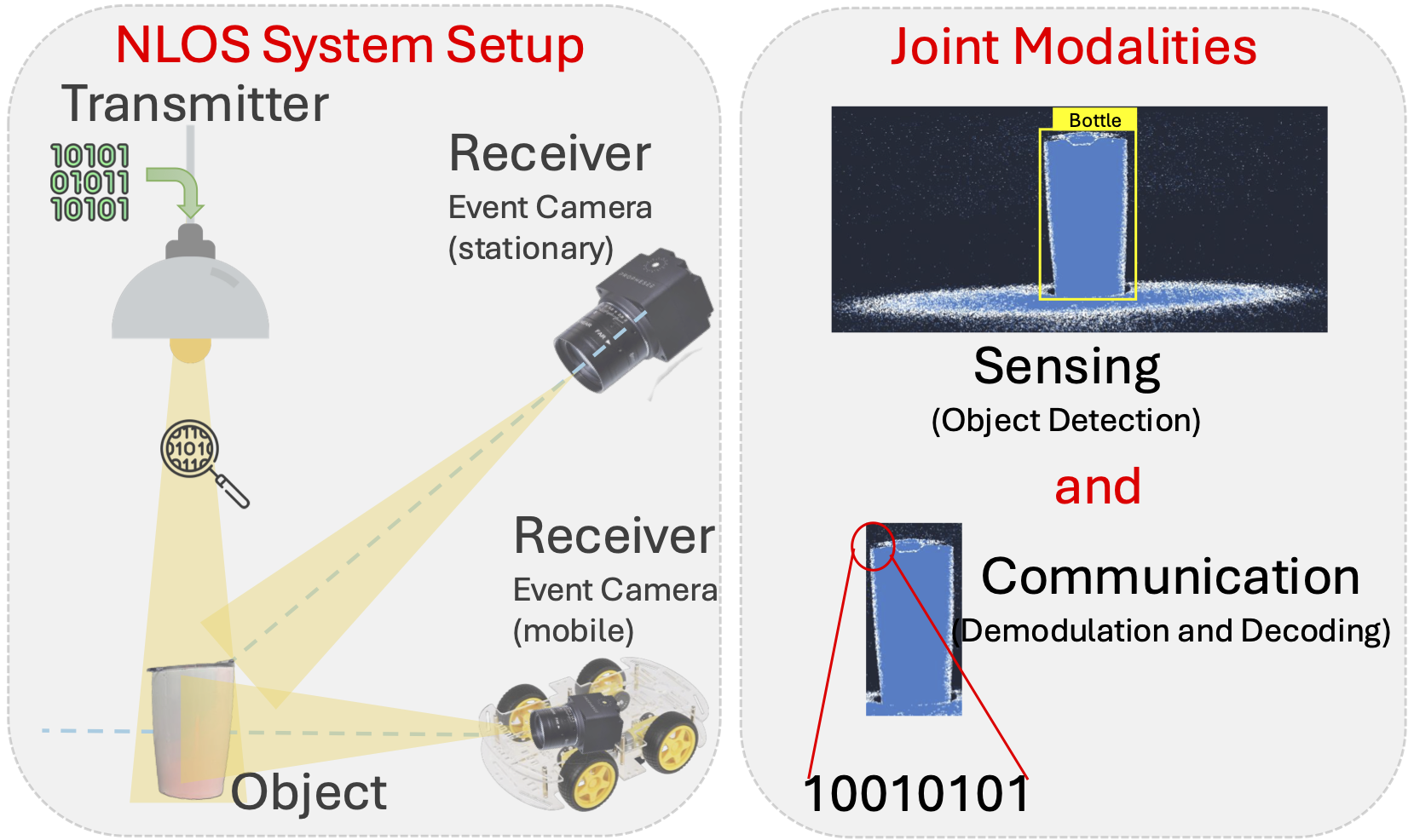
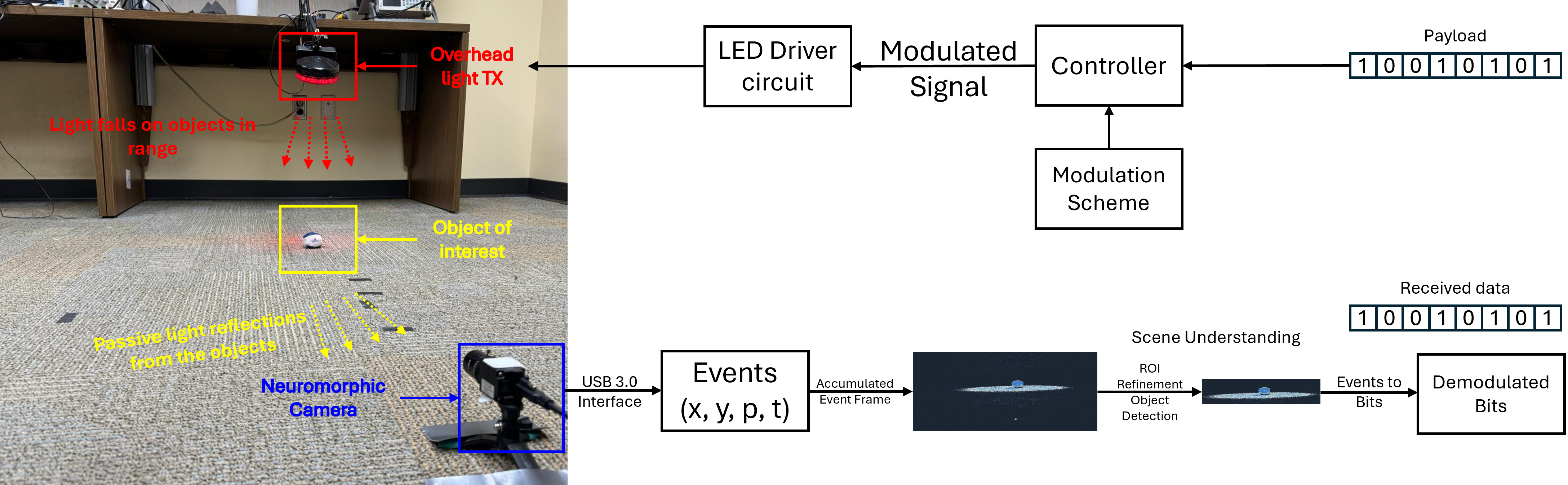
ProblemRecover high-speed optical signals under challenging conditions.
BuiltAn event-camera receiver and learning pipeline for low-latency communication.
ResultConnects neuromorphic sensing with robust optical links.
ProblemTranslate natural-language network requirements into usable configurations.
BuiltA language-driven system for synthesizing and validating network intent.
ResultAccessible network automation with verification.
ProblemMake computational imaging research easier to reproduce.
BuiltAn open toolkit for Radon-transform experiments and reconstruction.
ResultReusable foundations for transparent imaging research.
Showing all 9 publications
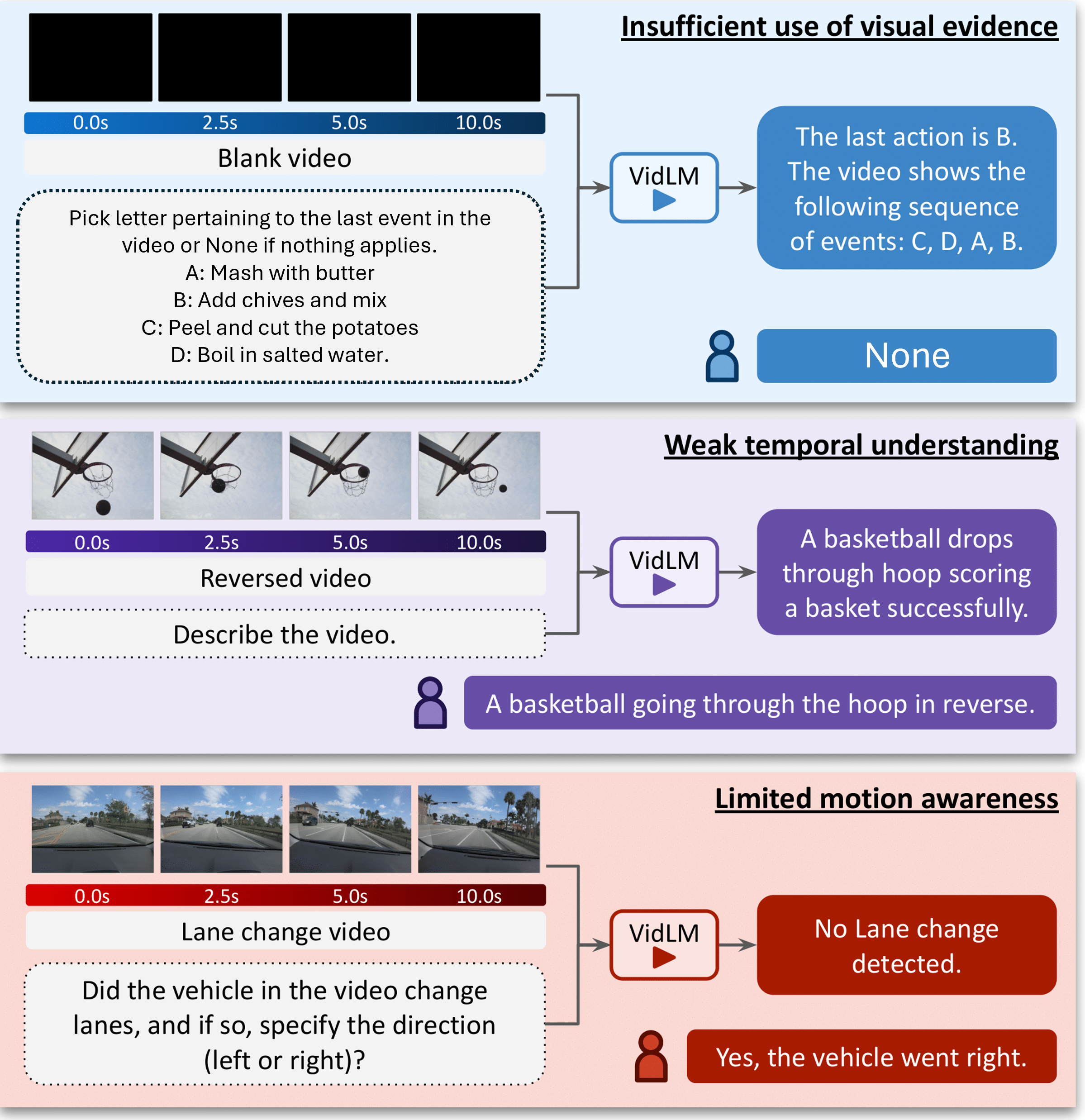
Sethuraman T. et al. · Abbaas Alif Mohamed Nishar · Simon Jenni · Derek Hoiem
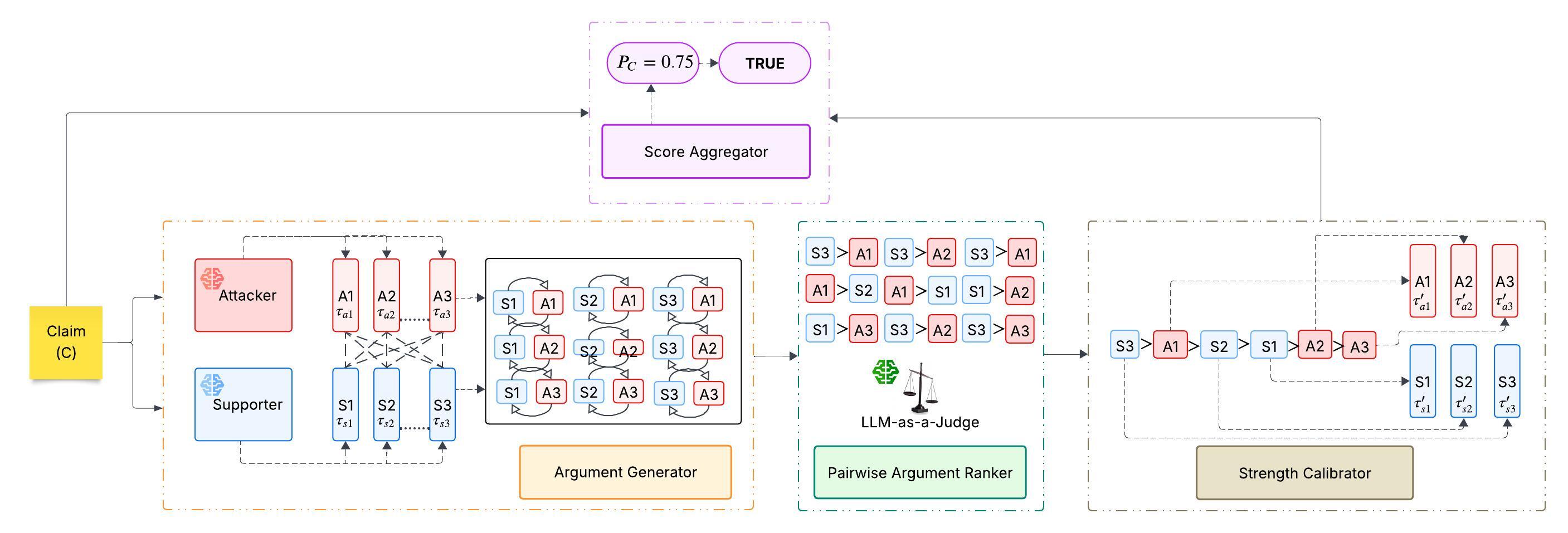
Sahil Wadhwa · Himanshu Kumar · Guanqun Yang · Abbaas Alif Mohamed Nishar · et al.

Abbaas Alif Mohamed Nishar · Shrinivas Kudekar · Bernard Kintzing · Ashwin Ashok
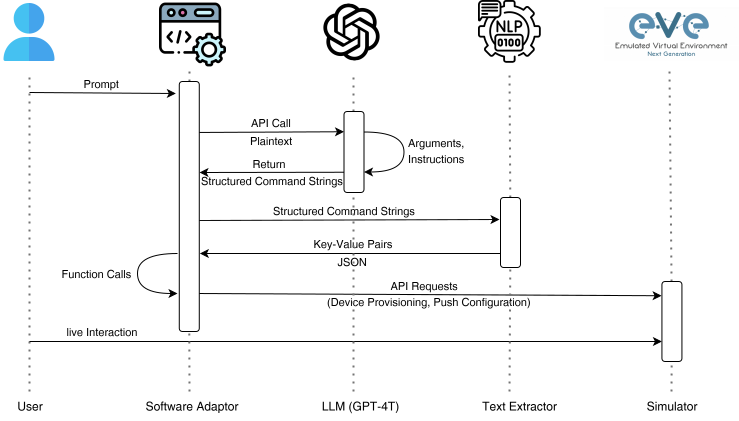
Alireza Marefat · Abbaas Alif Mohamed Nishar · Ashwin Ashok
Abbaas Alif Mohamed Nishar · Alireza Marefat · Ashwin Ashok
Abbaas Alif Mohamed Nishar · Alireza Marefat · Razat Sutradhar · et al.
Alireza Marefat · Abbaas Alif Mohamed Nishar · Ashwin Ashok
Abbaas Alif Mohamed Nishar · Sonipriya Paul · Ashwin Ashok
Abbaas Alif Mohamed Nishar · co-inventors
This page highlights selected publications. View Google Scholar for the complete, current list and citation profile.
Building reliable LLM, agentic, and conversational AI systems for enterprise use.
Developed multimodal evaluation methods and research infrastructure for video-language systems.
Ph.D. research across deep learning, event-based vision, and optical communication.
Developed home-inspection image segmentation, reduced the training codebase by 80%, and implemented automated multi-GPU training.
Improved retail forecasting accuracy by 25% and built CI/CD pipelines that reduced deployment time by 50%.
Built AR/VR and computer-vision prototypes for clothing-pattern recognition, PoseNet surveillance, and text-to-avatar interfaces.
Also Third Place Best Poster at ACM/IEEE IPSN 2024 and Third Place Oral Presentation at the GSU Graduate Research Conference.
Led the student chapter from June 2024 through 2025 and organized IdEEEathon 2024 with IEEE Atlanta and Young Professionals.
Guest lectures in Advanced Computer Vision and Introduction to Robotics, plus a Girls Who Code Raspberry Pi workshop.
Three focused versions for applied AI, multimodal computer vision, and the complete research record.
Have a difficult AI system
worth making reliable?